
SCIENCE-BACKED WAYS TO REDUCE ANXIETY THIS SEASON
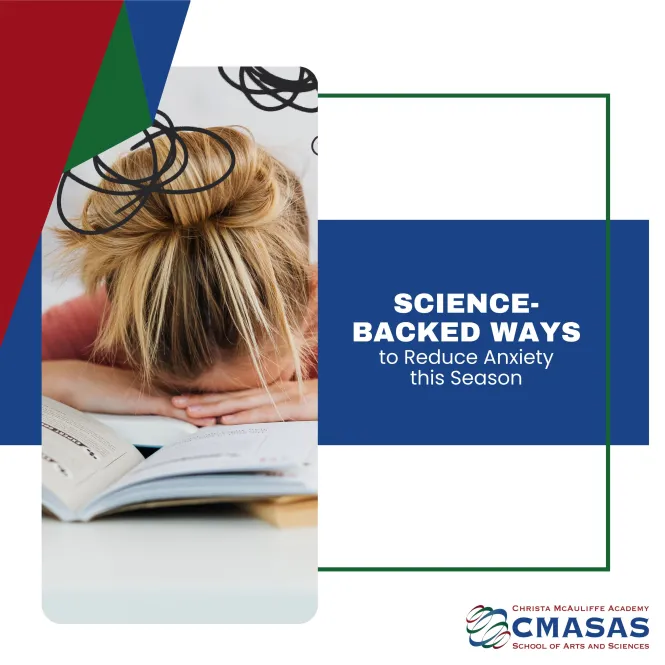
When life speeds up, the brain often does too. Busy seasons—whether filled with schoolwork, holidays, activities, or major transitions—can activate the body’s stress response. While a little tension can sharpen focus, too much leads to racing thoughts, irritability, forgetfulness, and fatigue. The good news? Small daily habits can help activate the parasympathetic nervous system—the body’s built-in “calm switch”—to steady the mind and protect emotional well-being.
What anxiety does to the brain
- Triggers “fight or flight”: Stress hormones like cortisol rise, keeping the body alert and making it harder to relax or concentrate.
- Shrinks working memory: Anxiety makes it tougher to recall steps, follow instructions, or organize tasks—especially for students.
- Tightens muscles & breathing: This can lead to headaches, stomach aches, and feeling “on edge.”
- Drains emotional bandwidth: Worries feel louder, patience feels shorter, and small challenges feel bigger.
How calming habits help
- Deep breathing and grounding techniques interrupt the fight-or-flight response.
- Predictable routines stabilize the brain’s sense of safety.
- Movement releases endorphins and reduces muscle tension.
- Mindfulness strengthens the prefrontal cortex—the part of the brain that handles focus and decision-making.
- Connection with supportive people signals the nervous system that you are not alone.
Practical habits that reduce anxiety
- Try the 4–7–8 breath: Inhale 4 seconds, hold 7, exhale 8. Repeat 3–4 cycles to slow heart rate and steady thoughts.
- Name what you’re feeling: A quick “I feel overwhelmed” reduces amygdala activity—the brain’s alarm center.
- Do a 2-minute reset: Look away from screens, stretch your arms overhead, roll your shoulders, or step outside for fresh air.
- Focus on one thing at a time: Multitasking increases anxiety. Break assignments or chores into micro-steps and check them off one at a time.
- Build “peace pockets” into your day: Five minutes of breathing, stretching, journaling, or stillness can calm your system between responsibilities.
- Limit doom-scrolling: Even 10–15 minutes of break-time scrolling can spike stress. Choose music, a walk, or a quick chat instead.
- Set realistic expectations: You don’t have to do everything. Give yourself permission to do what matters most today.
For students juggling school, activities, and holidays
- Create a weekly “snapshot plan”: List top priorities, deadlines, and must-do events. Visual structure reduces mental clutter.
- Communicate early: PECs and instructors are here to support you—letting them know you're overwhelmed opens the door to solutions.
- Move your body: Even 10 minutes of walking boosts focus and lowers cortisol.
- Stay hydrated & nourished: Blood sugar dips can amplify anxious feelings.
For parents and caregivers
- Routines equal reassurance—build small, steady rhythms into busy weeks.
- Model calm where you can—kids mirror adult regulation skills.
- Check in, not to fix, but to listen: “How’s your heart today?” goes a long way.
- Protect quiet time: Even 15 peaceful minutes can reset the whole household.
Anxiety isn’t a sign of weakness—it’s a sign that your body is asking for care. With a few simple daily practices, you can create moments of peace that carry you through even the busiest seasons with steadiness, clarity, and resilience